Deathadder V2 Honest Review — Is the Hype Justified?
I've been using the Razer Deathadder V2 as my primary mouse for several months now, putting it through daily work, long gaming sessions, and a handful of travel days. The Deathadder line has been a go-to for many gamers for years, so when the V2 landed on my desk I wanted to know whether the renewed hype matched reality. What I found was a mix of genuinely excellent ergonomics and solid performance, tempered by a few small but real annoyances that matter to a daily user.
Introduction: Why I Bought the Deathadder V2
In my case, I bought the Deathadder V2 because I wanted a comfortable, reliable right-handed mouse with a proven shape and modern internals. I use a palm grip for most tasks, switch to a claw grip in tighter FPS fights, and I care about consistent tracking and low-latency clicks. After researching several mice, the Deathadder V2 checked many boxes on paper: classic Deathadder ergonomics, what looked like an improved sensor and switches, and a lighter overall feel than previous iterations.
What I Tested and How
Over the last few months I used the Deathadder V2 for:
- Daily productivity (web browsing, spreadsheets, document editing)
- Multiplayer FPS sessions (competitive matches and casual pub games)
- Creative work (photo editing and drawing in short bursts)
- On-the-road use at coffee shops
I kept consistent settings across sessions where possible, used multiple mousepads (a cloth pad and a hard plastic pad), and alternated my typical sensitivity to test sensor behavior at different DPI settings. I also installed the manufacturer's software to test customization and profiles, then spent time using the mouse without the software to check out-of-the-box behavior.
Design & Build Quality: Comfortable but Familiar
Right away I noticed what most Deathadder fans talk about: the shape. The V2 retains that tall, sculpted right-handed form that cradles the palm. In my experience, the contour makes long sessions much less fatiguing than with flatter mice. I appreciated how my ring and pinky fingers naturally tuck into the right slope, and the thumb rest feels sized for medium-to-large hands. If you have small hands and prefer fingertip grip, the Deathadder silhouette might feel too large.
The shell feels solid with minimal flex when I pressed the top or sides. The sides have a matte, slightly grippy finish that held up to sweat and general use — I didn't notice any peeling or significant shine after months. One thing I noticed: the left and right primary buttons have a distinct travel and a satisfying click that isn't overly loud. The side buttons are easy to reach but took a week or two for me to stop hitting accidentally during aggressive palm adjustments.
Sensor & Tracking: Reliable in Real Use
Tracking felt accurate across the surfaces I tested. In my gaming sessions, the pointer moved where I expected it to, even when I cranked sensitivity for faster flicks. I did not notice jitter or unexpected acceleration while playing, and short lift-and-return motions behaved predictably. For photo editing and precision tasks, I found the sensor precise enough to make small adjustments without wobble.
One practical observation: the mouse's lift-off distance is low enough for me to lift and reposition without the cursor wandering, which I appreciated during intensive games. I tried different DPI levels and, while I didn't always stick to very high settings, the mouse translated movements consistently from low to high sensitivity.
Switches, Clicks, and Response
Razer updated the primary switches in the V2, and in daily use the clicks felt crisp and responsive. I definitely noticed the faster actuation during competitive matches — my shots felt slightly more connected to clicks compared to older mechanical switch mice I own. Over several months, I haven't experienced double-click issues or failure in the main buttons, which was reassuring.
Looking for the best Electronics deals on Amazon?
Shop Amazon →That said, the tactile feedback is not the same as heavy mechanical switches found on some enthusiast mice. If you prefer a very heavy, mechanical feel, the V2 leans toward a light, snappy actuation. For me, that’s a plus during fast-paced play, but it might not suit someone who likes a pronounced, heavy click.
Cable, Feet, and Everyday Comfort
The braided (or flexible) cable that ships with the Deathadder V2 is noticeably better than older stiff cables. I felt less resistance when pulling the mouse quickly, and my desk setup didn't tug at the cable. The mouse feet (skates) glide smoothly across both my cloth and hard pads — not the slickest I've used, but good enough that I didn't feel hindered during quick strafes or aim adjustments.
A small annoyance: on one long travel day I noticed the cable developed a tiny kink where it had been looped in my bag. It didn't affect performance, but it reminded me to avoid compressing the cable when transporting the mouse if you want it to remain as flexible as day one.
Software & Customization: Powerful but Heavy
I installed the official Razer software to test DPI customization, button remapping, and RGB controls. The software offers deep configuration — per-button remapping, per-axis DPI stages, polling rate adjustments, and lighting effects. Setting up profiles was straightforward and I appreciated the ability to save profiles to the mouse's onboard memory.
My frustration with the software wasn't about features but about its overhead. The installer wanted persistent background services, and signing into an account …
Durability & Long-Term Notes
After months of daily use, I noticed no paint wear or loosening of buttons. The side buttons retained their travel and didn't become mushy, and the mouse wheel remained crisp. That said, I treat my peripherals with some care — I avoid dropping them and keep my desk reasonably clean. A friend of mine, who used the same model in a tougher environment, reported similar durability but did mention that rubberized surfaces on some mice from other brands tend to degrade faster than hard plastics. In my experience, the Deathadder V2's finish is resilient.
What I Loved (Pros)
- Ergonomics: The classic Deathadder shape is super comfortable for palm and medium-to-large hands — less fatigue during long sessions.
- Consistent tracking: Reliable sensor behavior across different pads and sensitivities; minimal unexpected acceleration.
- Responsive buttons: Snappy, accurate primary switches that felt great in FPS play.
- Good cable and glide: Flexible cable and smooth feet make quick movements feel natural.
- Onboard memory and customization: Stores profiles and allows detailed remapping when you want it.
What Bothered Me (Cons)
- Right-handed only: If you're left-handed or prefer ambidextrous shapes, this mouse is not for you.
- Software overhead: The vendor software is powerful but feels heavy; it requires sign-in and installs persistent services.
- Large shape may not suit everyone: Small-handed users or strict fingertip grippers may find it too bulky.
- Side button placement: Took me a short time to stop accidentally pressing the forward button during certain grips.
- Not the lightest option: For extreme lightweight seekers, there are lighter mice available.
Quick Comparison Table (Deathadder V2 vs. Two Relevant Alternatives)
| Model | Shape / Best For | Relative Weight & Feel | Software & Customization | My Verdict (When I'd Pick It) |
|---|---|---|---|---|
| Deathadder V2 | Right-handed ergonomic / palm & claw users | Moderately light, balanced; not ultra-light | Feature-rich but heavier vendor software | When comfort over long sessions and reliable sensor are priorities |
| Smaller ergonomic mouse (compact) | Smaller hands / fingertip grip | Often lighter and more compact | Varies — sometimes simpler software | When desk space is tight or you prefer a fingertip style |
| Ultra-light esports mouse (hollow shell) | Competitive FPS / claw & fingertip | Very light; designed for flicks | Often minimal, with focus on raw performance | When you want the lowest possible weight and fastest hand movement |
Buying Guide: Is the Deathadder V2 Right for You?
In my experience, this mouse is a strong contender for a wide range of users, but here are the concrete considerations I used before buying — you can use them to decide for yourself:
1. Grip Style and Hand Size
If you favor a palm or claw grip and have medium-to-large hands, the Deathadder V2 will probably feel excellent. If you have small hands or prefer a fingertip grip, try it in person first or consider a smaller model.
2. Dominant Use: Work vs. Competitive Play
For a hybrid of work and gaming, I found the Deathadder V2 balanced. It’s comfortable for many hours and precise enough for competitive matches. If you're only focused on ultra-competitive esports where every gram counts, look at ultra-light alternatives.
Looking for the best Electronics deals on Amazon?
Browse Now →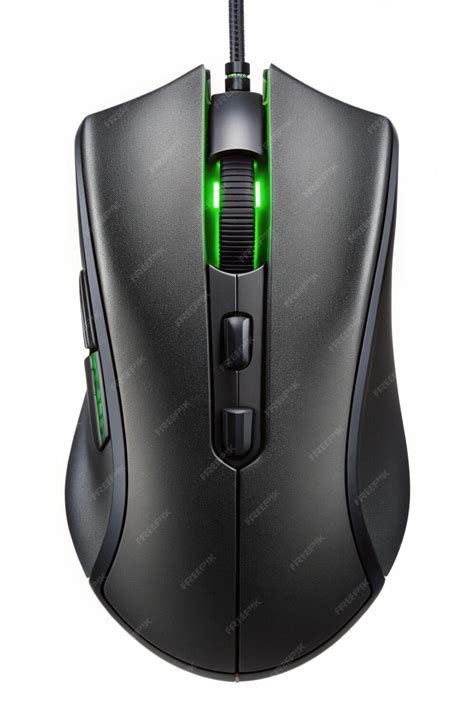
3. Wired Preference and Cable Management
I used the wired version and liked the flexible cable. If you travel often and hate cable tangles, consider how you'll store it; a good mouse bungee or careful packing helps. If you need wireless freedom, Razer and other brands offer wireless variants — evaluate battery life vs. weight.
4. Software Willingness
The configuration software is powerful but comes with background services and sign-in requirements. If you want deep customization and on-mouse profiles, the software is useful. If you prefer absolute plug-and-play simplicity and minimal background apps, you can still use the mouse without installing anything, but you'll miss advanced remapping and lighting options.
5. Durability Expectations
Based on months of use, I didn’t encounter durability problems. If your usage is rough (frequent drops, moisture exposure), consider a warranty and user reports for long-term reliability.
6. Budget Considerations
The Deathadder V2 sits in a mid-to-premium range. If you want the Deathadder shape specifically, it’s hard to beat for value. If you're chasing the absolute lightest weight or the most minimal software, there are cheaper or more specialized options depending on what matters most to you.
Final Thoughts and Conclusion
After using the Deathadder V2 for several months, I can say the hype is mostly justified. The shape remains one of the most comfortable I’ve used, tracking and clicks are precise and responsive, and the mouse has proven durable in daily use. For my workflow — equal parts productivity and gaming — it delivers a dependable, comfortable experience that hasn't shown signs of wear or performance degradation.
That said, it's not perfect. The software is heavier than I prefer, the right-only shape excludes left-handed users, and the weight won't satisfy ultralight purists. Small annoyances like side-button placement and the need to be careful with the cable during travel are real but manageable.
In my experience, the Deathadder V2 is an excellent all-around mouse if you value ergonomics and consistent performance. If you need absolute minimal weight or an ambidextrous design, look elsewhere. Otherwise, if you use your mouse for long stretches and want something that feels natural in the hand while still performing at a high level in games, the Deathadder V2 is a safe, sensible choice.