A Professional's Take on the New Kodak Pixpro C1
In an era dominated by high-resolution smartphone sensors and computational photography, the arrival of a dedicated point-and-shoot camera often raises questions about relevance. However, the Kodak Pixpro C1 arrives at a time when digital nostalgia and the desire for tactile, single-purpose devices are witnessing a significant resurgence. Taking a professional’s look at this entry-level compact camera reveals a tool designed not to compete with the latest flagship mobile devices, but to provide a specific, user-friendly imaging experience that simplifies the process of capturing memories. The Pixpro C1 is a testament to Kodak’s long-standing philosophy of "you press the button, we do the rest," updated for a contemporary audience looking for portability and ease of use.
A professional evaluation of such a device requires shifting the lens from pure technical specifications—like dynamic range or burst rates—to practical utility, ergonomic efficiency, and the "fun factor" that often dictates the longevity of a camera in a consumer's bag. For many, the transition from a smartphone to a dedicated camera is about intent. When you pull out a Kodak Pixpro C1, the intention is clear: you are there to take photos. This psychological shift, combined with a physical shutter button and a dedicated zoom toggle, offers a different level of engagement with the subject matter than a multi-purpose glass slab ever could. Throughout this analysis, the C1 will be examined through the eyes of a seasoned photographer to determine where it fits in the modern imaging landscape.
Detailed Product Analysis and Performance
The Kodak Pixpro C1 is built around a CCD sensor, a choice that immediately signals a specific aesthetic. While CMOS sensors have become the industry standard for their speed and low-light performance, CCD sensors are often praised by enthusiasts for their color reproduction and "filmic" quality in well-lit conditions. The C1 leverages this by providing vibrant, punchy colors that feel reminiscent of the 400 ISO film stocks Kodak is legendary for. In daylight, the skin tones are rendered with a warmth that often requires post-processing on more clinical modern sensors. This makes the C1 an attractive option for social gatherings, outdoor vacations, and street photography where the goal is a "ready-to-share" look without the need for extensive editing.
Operationally, the C1 is remarkably straightforward. The interface is designed for those who may not want to navigate through deep menus or understand the intricacies of the exposure triangle. Most settings are automated, with the camera's internal processing handling the heavy lifting of calculating exposure and white balance. For the professional, this lack of manual control might seem limiting at first, but it serves a vital purpose: it forces the photographer to focus on composition and timing. The lens, while modest in its aperture range, provides a useful focal length that covers everything from wide-angle group shots to tighter portraits. The optical zoom is a key advantage over many budget smartphones, which often rely on digital cropping that degrades image quality. With the C1, the glass actually moves, preserving detail through the zoom range.
Build quality and ergonomics are where the "professional take" becomes nuanced. The device is incredibly lightweight, constructed primarily from high-grade plastics that keep the weight down without feeling unnecessarily fragile. Its footprint is small enough to disappear into a jacket pocket or a small purse. This portability is one of its greatest strengths. A professional photographer often leaves their heavy mirrorless or DLSR gear at home for casual events, and the C1 fills that gap perfectly. The tactile feedback of the buttons is sufficient, and the layout is intuitive enough that one can operate the camera with a single hand. The 2.4-inch LCD screen on the rear serves its purpose for framing and reviewing, though, like most screens in this category, it can be a challenge to see in direct, harsh midday sunlight.
Low Light and Specialized Environments
When the sun goes down, the limitations of any entry-level compact camera become more apparent. The C1 is no exception. Because of the smaller sensor size compared to professional-grade equipment, noise becomes a factor at higher ISO levels. However, the C1 handles this with a classic built-in flash. In a professional context, "direct flash" has become a popular aesthetic in fashion and event photography, providing a high-contrast, energetic look that emphasizes the subject and drops out the background. The C1’s flash is surprisingly consistent, and when used strategically, it can produce images with a "party" vibe that is difficult to replicate with the soft, diffused LED flashes found on phones. For buyers who care about capturing late-night memories with friends, this direct-flash characteristic is often viewed as a feature rather than a flaw.
Strengths and Weaknesses of the Kodak Pixpro C1
Every camera is a compromise between cost, size, and performance. To understand if the C1 is the right choice, we must look at the specific advantages it brings to the table and the areas where it might fall short for more demanding users.
- Ultra-Compact Portability: Perhaps its greatest asset, the C1 is designed to be carried everywhere. It does not require a dedicated bag and is light enough to be used by children or elderly family members without fatigue.
- Dedicated Optical Zoom: Unlike the digital zoom on most entry-level smartphones, the C1 offers a true optical zoom that maintains resolution, allowing users to get closer to the action without pixelation.
- Intuitive User Interface: The learning curve is virtually non-existent. It is an ideal "grab and go" camera for those who find modern technology overwhelming or simply want to focus on the moment.
- Classic Color Science: The Kodak heritage is evident in the way the C1 processes colors, particularly reds and yellows, giving photos a warm, nostalgic feel that appeals to the current trend of vintage digital aesthetics.
- Battery Efficiency: By focusing on still photography and having a simplified operating system, the camera provides a reliable number of shots per charge, ensuring it's ready when you need it.
- Physical Controls: Having a dedicated shutter button with a halfway press for focus and a physical zoom toggle provides a level of precision and "feel" that touchscreens cannot match.
Conversely, there are trade-offs to consider:
Looking for the best Cameras & Photography deals on Amazon?
Browse Now →- Fixed Focus at Extremes: In very close-up (macro) situations, the autofocus can occasionally hunt, especially in lower light, requiring the user to back up and find a more suitable focal distance.
- LCD Resolution: The rear screen is functional but lacks the high-pixel density of modern smartphones, meaning you won't fully appreciate the sharpness of your photos until you view them on a larger monitor or print them.
- Minimal Manual Control: There is no aperture-priority or shutter-priority mode, which may frustrate advanced hobbyists who want to manually control depth of field or motion blur.
- Video Limitations: While it can record video, its primary design is for still photography. Users looking for 4K vlogging capabilities will likely find the video quality basic by modern standards.
Professional Feature Comparison
To better understand how the Kodak Pixpro C1 sits in the hierarchy of imaging devices, it is helpful to compare it against the two most common alternatives: the modern flagship smartphone and a higher-tier enthusiast compact camera.
| Feature | Kodak Pixpro C1 | Flagship Smartphone | Enthusiast Compact (e.g., Sony RX100) |
|---|---|---|---|
| Sensor Type | CCD (1/2.3") | CMOS (Variable) | CMOS (1-inch) |
| Optical Zoom | Native Optical | Mostly Digital/Multi-Lens | High-Quality Optical |
| User Experience | One-Button Simplicity | Multi-App Interaction | Complex Manual Menus |
| Battery Life | High (Dedicated) | Low (Shared with Apps) | Moderate |
| Color Aesthetic | Vintage/Warm | Highly Processed/AI-Driven | Natural/Neutral |
| Durability/Value | High/Low Replacement Cost | Low/High Replacement Cost | Moderate/High Initial Cost |
Comprehensive Buying Guide
When considering the purchase of a Kodak Pixpro C1, it is essential to identify your primary use case. This camera isn't intended for professional studio work or sports photography; instead, it excels in specific niches. Below is a guide to determining if this camera aligns with your needs.
The Social and Event Photographer
If you find yourself going to weddings, parties, or concerts and you want to capture the energy without being tethere…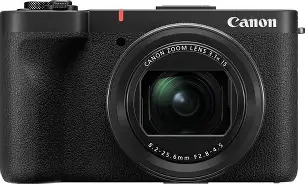
The Travel Minimalist
For travelers who want to document their journey but want to remain "present," the C1 offers a middle ground. Its small size means you can keep it in a pocket or around your wrist with a lanyard. It’s perfect for those moments where you want a better shot than your phone can offer—especially regarding zoom—but you don't want the bulk of a full camera setup. It's also less of a target for theft in tourist-heavy areas compared to a $1,200 smartphone or a $2,000 mirrorless camera.
Education and Young Photographers
The C1 is a fantastic "first camera" for children and teenagers. It is durable enough to handle some minor rough-and-tumble play, and the low price point makes it a low-risk investment for parents. More importantly, it teaches the fundamentals of photography—framing, lighting, and composition—purely through the viewfinder experience without the distractions of social media or games that come with a phone. It encourages a deeper connection to the act of seeing.
The Digital Nostalgia Enthusiast
We are currently seeing a massive trend toward "Y2K aesthetics." Younger generations are discovering the unique look of early 2000s digital cameras. Because the C1 uses a CCD sensor and classic processing, it inherently produces the look that many are trying to replicate with filters. For those who want the authentic "low-fi" look with the reliability of a new device and a warranty, the Pixpro C1 is a perfect fit.
What to Look For When Buying
When you receive your C1, ensure you have a high-quality SDHC card. While the camera doesn't produce massive files, a fast card will ensure the "shot-to-shot" time remains low, allowing you to take photos in quick succession. Additionally, consider getting a small, padded slipcase. While the plastic is durable, protecting the lens and the rear LCD from scratches will maintain the camera's resale value and ensure your photos remain clear and sharp for years to come.
Looking for the best Cameras & Photography deals on Amazon?
View Offers →Real-World Use Cases: A Professional’s Perspective
In practice, how does a professional integrate the Kodak Pixpro C1? I recently took the C1 to a local street fair, a situation where I would normally carry a Leica or a high-end Fuji. The experience was liberating. Instead of worrying about shutter speeds and f-stops, I focused entirely on the people and the colors. I found that I took more risks with my compositions. Because the camera was so small and unassuming, people didn't react to it the way they do to a large, professional "black camera." They stayed natural, allowing me to capture candid moments that felt more honest.
Another use case is the "backup camera" scenario. During a professional shoot, if my primary body fails or I run out of batteries, having a small point-and-shoot in the glove box can be a lifesaver for capturing basic environmental shots or reference images. While it won't produce a billboard-sized print, for the web and small social media assets, the quality is more than sufficient. It’s about having the right tool for the job, and sometimes the right tool is the one that is simplest and most available.
Finally, there is the aspect of archival quality. Photos taken on smartphones are often lost in a sea of thousands of screenshots, memes, and work-related images. They rarely leave the cloud. Photos taken on the C1, because they exist on a dedicated memory card, tend to be treated with more intention. Owners of these cameras are more likely to transfer the files to a computer, organize them into folders, or even print them. There is something fundamentally different about the "physicality" of the files produced by a dedicated device that leads to better long-term preservation of your life's history.
Conclusion
The Kodak Pixpro C1 is a fascinating study in modern photography. It is a device that embraces its identity as an entry-level compact without making excuses. It doesn't try to be a professional workhorse, yet it offers professional-grade fun and a unique aesthetic that is increasingly sought after. For the casual user, it is a gateway into the world of photography that is both affordable and rewarding. For the professional, it is a "palette cleanser"—a way to return to the joy of simple image-making without the burden of technical complexity.
In a world where we are constantly bombarded by "more"—more pixels, more features, more AI—the Kodak Pixpro C1 offers "less" in the best way possible. It offers less distraction, less weight, and less complexity. What it provides in return is a focused, intentional way to capture the world. Whether it's for a family vacation, a night out with friends, or as a tool to teach a child about the beauty of light, the C1 proves that there is still a very important place for the humble point-and-shoot camera in our pockets. It is reliable, vibrant, and, most importantly, accessible to everyone. In the end, the best camera is the one you have with you, and the Kodak Pixpro C1 makes it very easy to ensure you always have a camera ready to capture the next great moment.